
What's Drift F1 game?
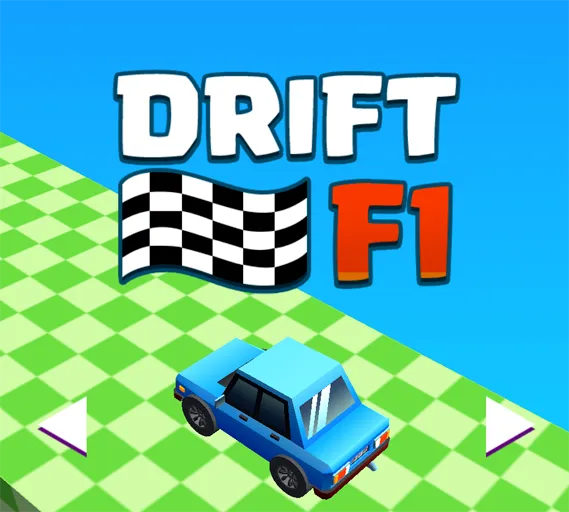
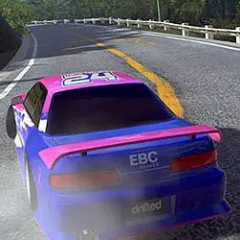
Drift F1 drops you on narrow platform circuits that borrow the fantasy of high-downforce racing: long sightlines, sharp direction changes, and a finish line that only cares how cleanly you used the last corner. The car does not ask for a full sim—there is a single, readable steering loop built around press, drift, and release. Your job is to keep the body centered when the track gets opinionated, especially where the mesh kicks upward or the lane pinches to a width that forgives very little slop.
Time is the spine of a good run. A finish in fewer seconds is worth more, so idle sightseeing is expensive, but blind speed is worse if it trades a coin pickup for a fall. Coins sit along the line as optional side objectives: they feed a garage of alternate vehicles, each with its own look and a price tag in currency you earn in play. Maps unlock in order, so the campaign is a staircase—early layouts teach cadence, later ones ask you to chain more bends before you see a straight long enough to breathe.
The sections on this page mirror our other drift titles: a clear control primer, three habit steps, a longer look at the campaign and boards, and an FAQ. Load the player when you are ready, then let Drift f1 runs stay short, loud, and repeatable—ideal when you want a mistake to read as a line error, not a control mystery.
How to Play Drift F1
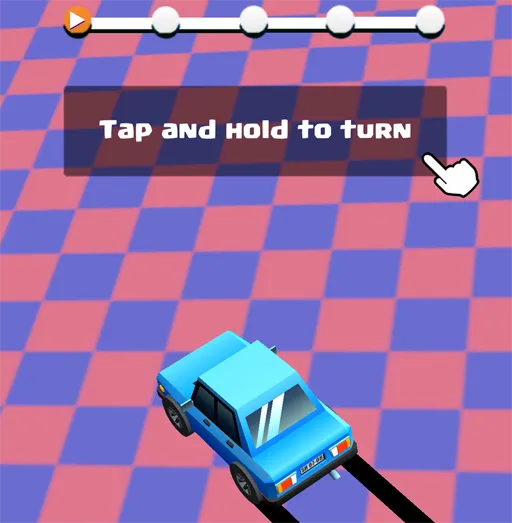
1. One button, two ideas: hold to turn, let go to straighten
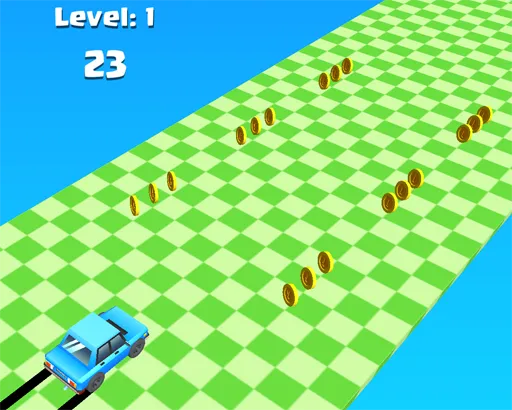
2. Read bumps, borders, and coin lanes as one puzzle
Crowned sections and off-camber bits will try to shove the car toward the void. Drift in rhythm with the crown instead of fighting the bump mid-slide. Coins often sit where greed punishes: treat them as optional until you can bank them without a panic grab. A safe, boring centerline that survives beats a coin line that throws you from the last stretch of a long map.

3. Spend currency on the car you like looking at, then get back to time
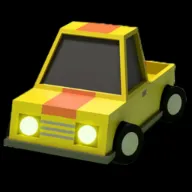
Earnings from runs unlock a roster of themed rides—emergency services, work trucks, everyday sedans, and a few bruiser SUVs. Prices climb with novelty, not with an invisible “pay to win” stat in this format: the run still comes down to line quality. After you buy a new shell, return to a familiar early map to re-learn weight without the stress of a fresh finale.
What the F1-style layout asks you to do differently
Instead of a parking-lot gymkhana, Drift F1 stacks distance and elevation. Corners are not a single hairpin; they show up in chains, and the “straight” between them is sometimes only straight on the map, not in feel. A course might leave you a generous entry once, then punish the same hand if you keep pressure into a tightening radius. The skill you are really training is where to be generous with a hold and where a half-second release sets up a faster exit. That is the difference between a run that looks exciting for two corners and a run that posts a time you can repeat.
Because score follows the clock, the emotional trap is to chase hero moments. The data-friendly approach is the opposite: fewer corrections, more predictable load on the front end of each bend, and a calmer return to center when the geometry finally gives you room.
The long climb: levels, length, and corner count
Think of the campaign as a set of more than thirty routes that open in order. Early tracks teach spacing; later ones stretch the gap from start to finish and pack more changes of direction per minute. The skill curve is front-loaded in reading, not in buttons—you already know the scheme by level five; what changes is your tolerance for risk when the same mistake costs more distance.
Replaying an earlier level after a hard wall is not a waste of time. It is a reset for your hands when the finale keeps breaking your composure. Consistency in Drift F1 is what moves your name on the board, not one lucky sprint.
Leaderboards, names, and the social layer on top of solo runs
When the build includes ranked tables, you will usually be able to submit a tag after a clean pass. Daily, weekly, and monthly views give different windows for competition, so a rough week can still leave room for a monthly personal project. The top of each chart is a moving target, but the first milestone is your own best row—treat the board as a notebook, not a scoreboard you have to read mid-run.
If a level shows a “top ten” style slice, use it to sanity-check that your new line is not just a fluke. Two similar times in a row mean you are beginning to own the course instead of riding luck.
Tactics that still work when the game turns mean
- Start turns from the center: margin buys thinking time; hugging a rail is for when you can see the exit.
- Coins after survival: if a batch sits off the safe line, mark it for a future run, not a desperate dive.
- Reacts beat hero holds: a short, timely press beats a long, hopeful slide when the next bend is already visible.
- Re-run the “easy” map on tilt: the goal is a calm hand, not a revenge lap on the hardest level.
- Check touch vs mouse: the same one-button design maps cleanly, but fat thumbs need a little more margin at the same speed.
FAQs about Drift F1
You can play Drift F1 unblocked online on https://driftbossunblocked.com/games/drift-f1/.