





What's Subway Surfers game?

Subway Surfers remains one of the most recognizable endless runners for a simple reason: it is immediately playable and quietly deep once speed starts climbing. You sprint through train corridors, switch lanes to avoid incoming traffic, and collect coins while obstacles demand quick, clean choices. The first minute feels friendly. The next few minutes teach the real lesson - rhythm matters more than panic reactions. If your movement is smooth, the game feels generous. If you overcorrect, even easy sections can collapse fast.
The core control language is lightweight: move left and right, jump, roll, and trigger your board at the right moment. That simplicity is what makes subway surfers work for both new players and score hunters. Beginners can survive quickly, while advanced runs depend on route reading, multiplier management, and power-up timing. A clean run is not just about reflex speed; it is about planning one or two beats ahead, choosing safer lanes when density increases, and using tools like hoverboards as strategic protection rather than panic buttons.
Collection systems add long-term motivation. Coins and run objectives feed unlock progress, and regular challenge loops keep sessions from feeling repetitive. Power-ups such as jetpacks, magnets, sneakers, and score boosters can transform a run when used deliberately. The key is context. A random boost at the wrong moment may not help at all, while a planned board or magnet in a crowded segment can preserve momentum and push your record substantially farther. That is where Subway Surfers becomes addictive: each attempt feels short, but every attempt teaches something that carries into the next.
On Drift Boss Unblocked you can launch straight from the embedded player and focus on improvement immediately. The guide below covers practical controls, three progression steps, advanced scoring habits, and no-noise FAQ answers. Whether you want a casual five-minute break or a longer score grind, subway surfers gives you a loop that scales naturally with skill.
How to Play Subway Surfers
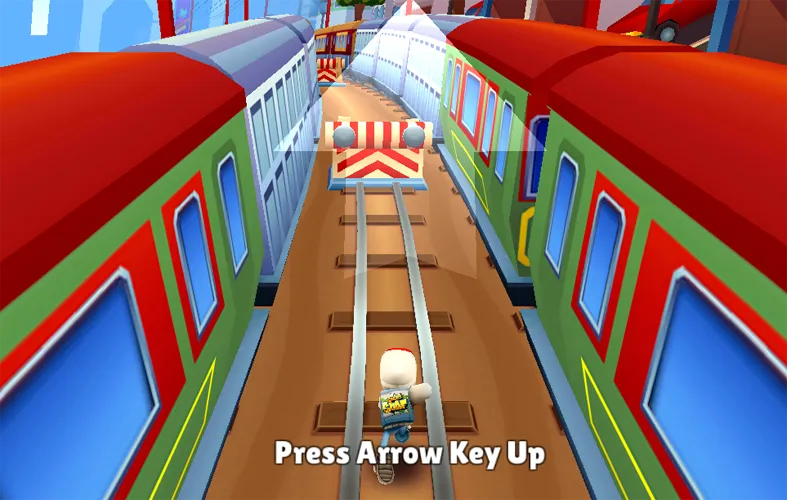
1. Master lane switches, jump timing, and rolls before speed ramps up
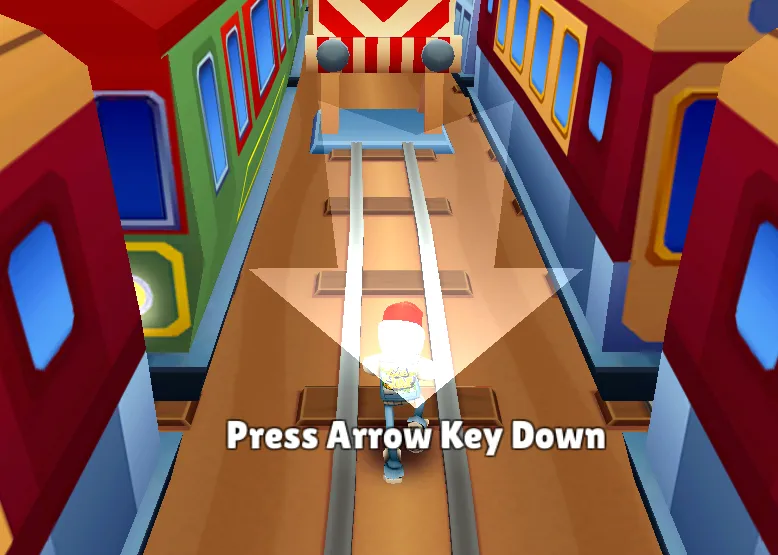
2. Treat hazard density as a route puzzle, not a reaction test
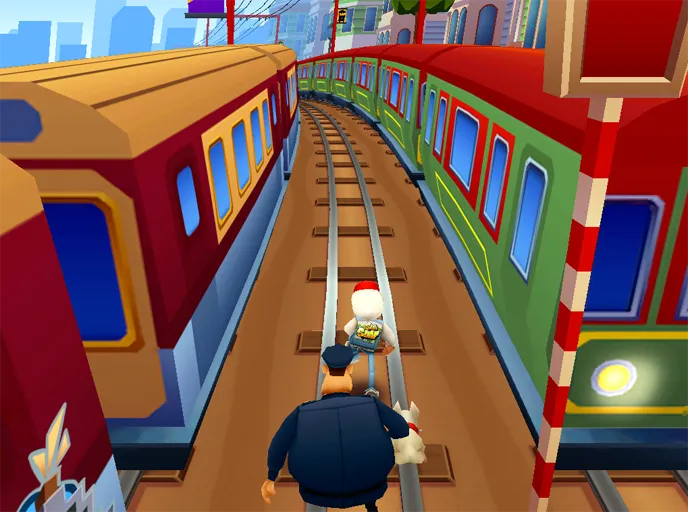
3. Use boards and power-ups to extend runs instead of saving bad habits
What keeps Subway Surfers relevant after years of updates
At a glance, Subway Surfers looks like pure reflex entertainment. Underneath, it is a compact systems game: lane routing, speed adaptation, objective loops, and risk management around collectibles. The run never waits for you, so every decision carries opportunity cost. Do you chase coins in a crowded lane or take the clear line and preserve distance? Do you spend your board now to stabilize the route or hold it for a harder section that might never arrive? That constant micro-economy is why short sessions still feel meaningful.
The presentation helps, too. High-contrast visuals keep hazards readable at speed, and map themes refresh the experience without changing the essential control language. Even when environments rotate, your core skill remains transferable: move cleanly, jump early, roll deliberately, and avoid emotional overcorrection after one bad dodge.
High-score fundamentals that actually scale
Most players ask for a single trick to reach huge scores in subway surfers. In practice, high scores come from layered habits: keep mission multipliers active, avoid unnecessary lane crossings, and activate boosters where they increase survival odds rather than just coin count. Early-game discipline matters because the later pace amplifies every bad pattern you allow at low speed.
Another practical rule: stop trying to recover every risky line. If a sequence starts unstable, choose the safest reset lane and rebuild control. Long records are usually built by minimizing unforced errors, not by collecting every item in sight. Consistency beats hero moments over ten-plus minutes of escalating speed.
Common mistakes that cap progression in subway surfers
- Over-switching lanes: unnecessary side movement creates avoidable collisions in dense patterns.
- Jumping too late: high speed shortens your reaction window more than you expect.
- Ignoring roll timing: many low barriers punish players who rely on jump-only habits.
- Saving boards for “perfect moments”: waiting too long often means losing them unused.
- Coin tunnel vision: risky coin lines can end a run worth far more in score potential.
If you want related runner styles on this site
If you enjoy lane pressure and tempo management here, Tap Road offers a similar rhythm with a different control feel. If you prefer a sci-fi tunnel route with jump-and-shift sequencing, Electron Dash is a strong next pick. All three reward the same mindset: scan ahead, keep inputs economical, and protect your run before chasing flashy lines.
FAQs about Subway Surfers
You can play Subway Surfers unblocked online on https://driftbossunblocked.com/games/subway-surfers/.