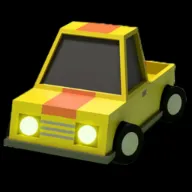

What's Drift Hunters Max game?
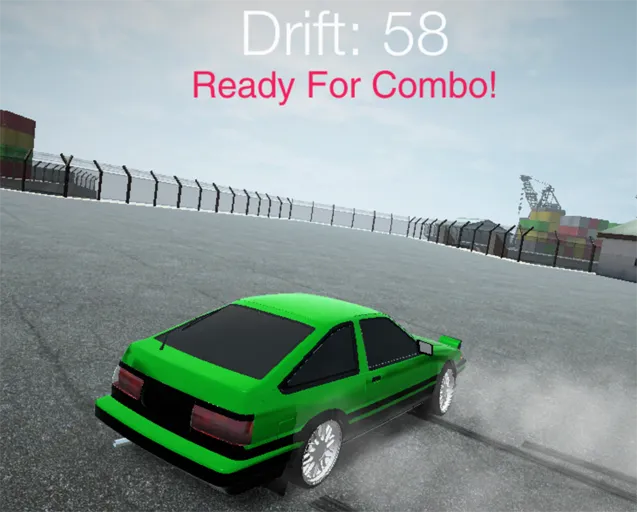
Drift Hunters Max is a browser three-dee drift yard where the loop is easy to read and hard to master: you pick a car, you pick a surface, you burn off speed with angle instead of the brake pedal, and you let the points stack when the line stays smooth. The “Max” part is the expanded garage and geography—dozens of body styles to work toward, and roughly a dozen venues that jump between tight technical ribbons, open industrial slabs, and faster sweepers with room to make mistakes you can name afterward.
Money in session ties everything together. Clean slides feed your budget; the budget feeds tires, power, and chassis bits that change how a chassis responds when you spike the e-brake or trail-brake into a kink. Beginners can lean on a starter that costs nothing in play while they learn, then climb the price ladder as skills catch up. Premium trims and the wildest exotics act like long goals—if you are still upside-down on a corner two weeks in, a bigger number on the spec sheet is not a substitute for earlier throttle discipline.
Below you will find a straight control list, a three-step habit path from entry speed to build planning, a deeper pass on track identity and upgrade tiers, and an FAQ that answers the questions that usually show up the first time someone tries manual gears or sells a day chasing a new personal best. Load the player when you are ready—Drift Hunters Max is built for return visits, not one and done.
How to Play Drift Hunters Max
1. Own steering, handbrake, and throttle as one system
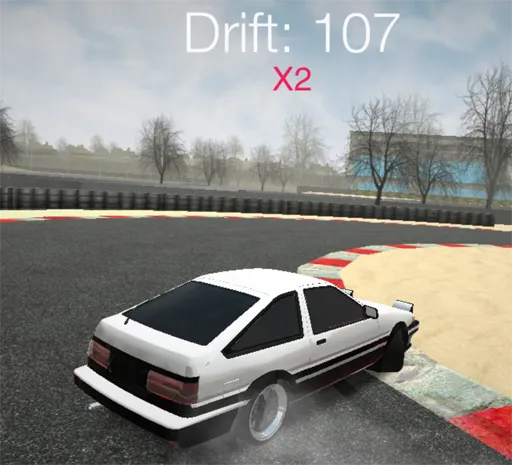
2. When manual gears are in play, shift for torque, not theater
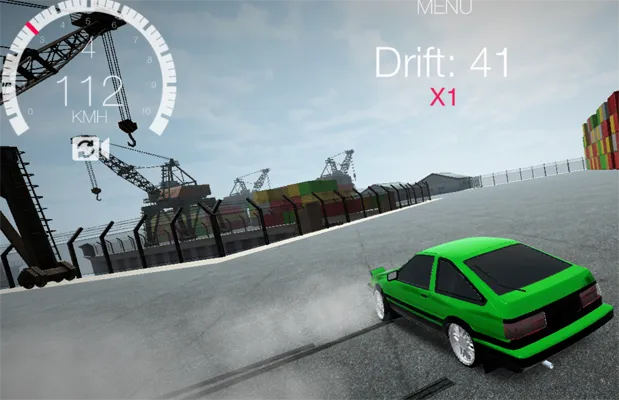
3. Bank drift score, then spend on parts that change behavior
The economy rewards time on the track with a linked loop: more stylish, crash-free drifts return more money, and money opens brakes, power steps, and weight drops that you can feel when you re-run the same curve at the same entry speed. If you are stuck, spend small on tires and weight before you buy another motor—extra horsepower only amplifies a bad line. Revisit an easier lot after a part swap so you can measure the change without noise from a new layout you have not read yet.
What “Max” changes compared with a one-car drift minigame
Instead of a single loop that never grows, Drift Hunters Max treats a session like a small hobby project. You are not just chasing a high score; you are rotating between vehicles that oversteer differently, wheelbases that punish late entries, and surfaces that make the same input read differently. The fantasy stays arcade-readable—this is not a data logger’s simulation—but the feedback stack is large enough that improvement shows up in lap feel, not only on a number at the end.
That is why the name lands where it does: the package is not “more background art only.” It is more meaningful choices in the menu before the tires ever smoke.
Replay value in Drift Hunters Max also comes from re-testing a turn you already know: the same corner at a new tire level, a new suspension step, or a different car length. You can feel progress even when the stopwatch is flat, because the car asks for less drama to hold the same line. That is the difference between a throwaway browser tab and a loop you open on purpose a few times a week.
Garage economy, starter access, and endgame metal
Most players begin with a modest stack of currency and a gateway model that is friendly for learning. From there, each purchase is a bet on a handling profile you can live with: short-wheelbase coupes, older chassis with a lazy rear, modern all-wheel-drive and rear-drive layouts with different breakaway habits. The far end of the list holds high-price exotics and headline silhouettes; they are rewards, not a mandatory gate for having fun, but they are there when you want a new sound and a new challenge.
Where the build offers premium materials, treat them as a parallel track: they speed up a cosmetic or lightweight path you already value, not a paywall that replaces practice. Drift Hunters Max is still a skill game; the best garage is the one you actually drive, not the one you scroll past.
Tracks that move from play lots to long circuits
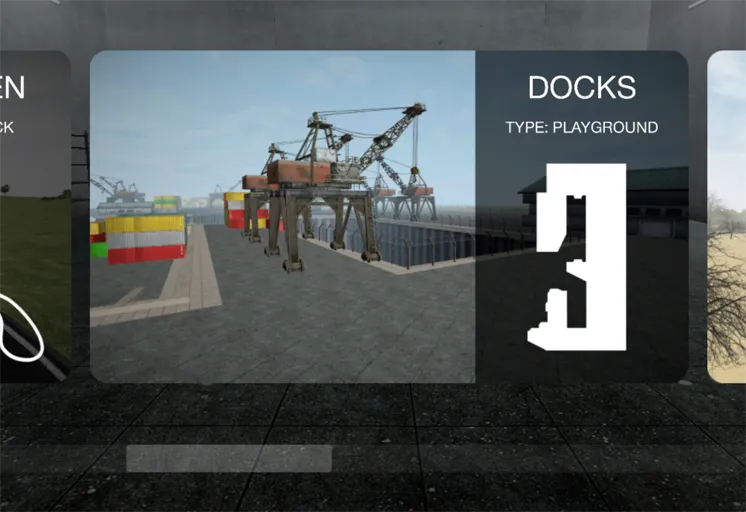
The world map in this type of build tends to read like a road-trip list: a neon waterfront grid, a high-country pass with a narrow crown, a flat desert yard where the line is your own, and a handful of full circuits with painted rumble and apex curbs. Each venue asks for a different blend of first- and second-gear work versus carry speed, so “I learned the game on Lot A” does not automatically transfer to a mountain two-lane you cannot afford to overdrive.
Use early venues to set stable baseline times, then use harder layouts to stress-test upgrades. A brake kit that shaves panic on a technical touge will still matter on a faster ribbon—just for different reasons and at different entry speeds.
Tuning: where stock ends and a drift car begins
Upgrade ladders usually start at sensible street baselines, climb through tighter street and race series, and stop at a top tier for players who want a toy that is borderline unfair on a short course. Think of the menu as a sequence of trade-offs: more engine without more tire asks for a lighter touch on throttle; more weight reduction can make a car darty if the dampers and brakes are not in the same budget conversation.
Paint, wheel color, and simple visual swaps keep the car yours even when the sheet metal is the same as another player’s. When two drivers share a setup, the tie-breaker is still the human behind the key map.
Combos, contacts, and how not to end a run in frustration
Scoring in Drift Hunters Max nudges you to chain angle without banging barriers: a smooth arc that survives to the next corner is worth more than a violent flick that throws you to the catch fence. The physics lean forgiving enough to encourage experimentation, yet mean enough to punish a lazy exit when the rear steps too far and you cannot gather it. When a combo breaks, reset your mental metronome before you hit throttle again—revenge on the last corner is how long slide streaks end in a full reset.
Quick field notes for cleaner sessions
- Initiate with intent: decide on entry before you are already past the turn-in, especially on small-radius corners.
- Respect the e-brake: a tap steers; a yank is a last resort, not a default turn signal.
- Read surface changes: a painted lot and a grainy backroad do not hand you the same slip value.
- Grind in short bursts: a tight thirty-minute block beats a long tilt where you stop feeling weight transfer.
- Chase one improvement at a time: a brake step or a final gear, not every slider in one visit.
FAQs about Drift Hunters Max
You can play Drift Hunters Max unblocked online on https://driftbossunblocked.com/games/drift-hunters-max/.